
Heavy Duty Truck Fuel Efficiency in Mountain Bulk Haul: A Problem-Solution Guide
On a mountain bulk haul route, fuel and maintenance are not costs a fleet can negotiate down after delivery — they are decided at the specification stage. Three specifications move the numbers most: the aerodynamic drag of the cab (Cd 0.53, 18% lower than mainstream models), the calibration of the engine–transmission–axle combination, and the torsional stiffness of an 8+7 mm double-layer frame. Specified together, they deliver 8%–12% lower fuel consumption on grade-heavy bulk routes — 2.5–3.8 L/100km saved — together with 12% lower maintenance frequency and 22% better anti-torsion performance.
This guide is written for fleet buyers, importers and transport operators in the evaluation stage, who are comparing Heavy Duty Truck configurations for routes that climb, descend and carry full loads on uneven surfaces. It works through the problem first, then the specification response, then the verification steps a buyer should run before committing a fleet budget.
The Mountain Bulk Haul Problem: Fuel Burned on Grades, Money Spent on Structure
Mountain bulk haul is a specific duty cycle. A loaded vehicle climbs for long periods at high engine load, descends on engine braking and service brakes, negotiates frequent curves that force acceleration and deceleration, and runs on surfaces that are often broken, patched or unpaved. Each of these conditions drains cost through a different mechanism, and the mechanisms reinforce each other.
- Sustained climbing keeps the engine in a high-load, high-rpm band for minutes at a time, which is where fuel consumption per kilometre is highest.
- Frequent gradient changes force repeated downshifts; every downshift that is not matched to the load curve costs fuel and adds clutch and driveline wear.
- High road speed on approach and descent sections turns aerodynamic drag into a measurable share of fuel burn — a cost that is invisible on flat, slow routes but grows with average speed.
- Uneven, heavy-load surfaces twist the frame and stress the suspension, producing cracks, fastener loosening and tyre wear that show up as unplanned workshop time.
- Brake-dependent descents convert energy into heat instead of distance, and shorten the service life of brake components.
The practical consequence is that two cost lines move together. A vehicle that is under-specified for gradient work burns more diesel per tonne-kilometre and enters the workshop more often. A vehicle that is over-specified on displacement but weak on aerodynamics and frame stiffness saves nothing, because the savings on the grade are given back at speed and in the workshop.
Industry Background: Why Efficiency Specifications Are Getting More Attention
Efficiency has moved from a purchasing preference to a competitive requirement across the heavy duty truck category. Global Market Insights estimated the global heavy-duty trucks market at USD 308.3 billion in 2025, with a projected value of USD 475.5 billion by 2035 — growth that is being absorbed largely by fleets replacing ageing assets in cost-sensitive markets.
Supply has shifted accordingly. China's heavy-duty truck exports reached 276,000 units in 2023, a 58% year-on-year increase, and rose to 295,000 units in 2024, according to Shacman industry reporting citing CAAM data. In the first half of 2024, China's total truck exports reached 351,000 units, and the China Association of Automobile Manufacturers reported that one out of every three heavy trucks seen overseas originated from China. For buyers in Africa and Southeast Asia, that means a wider shortlist of suppliers competing on specification rather than availability alone.
Electrification is developing in parallel but does not yet replace diesel on grade-heavy bulk routes. Fortune Business Insights projects the global electric heavy-duty truck market growing from USD 14.84 billion in 2026 to USD 101.02 billion by 2034, and S&P Global Ratings forecast heavy-duty electric truck penetration in China to exceed 20% in 2026. Those volumes are concentrated where routes and charging infrastructure are predictable. On remote mountain bulk haul corridors with long gradients and no fixed charging points, the diesel heavy duty truck remains the working assumption for most fleets — which is why drag, calibration and frame specification still carry most of the operating-cost decision.
Regulation is tightening the same direction. The US EPA finalised its Phase 3 greenhouse gas standards for heavy-duty vehicles from model year 2027, requiring an approximately 80% reduction in NOx. Buyers sourcing for markets with their own emission rules should confirm destination requirements at the specification stage rather than after delivery.
The Detailed Solution: Three Specifications That Decide Fuel Consumption
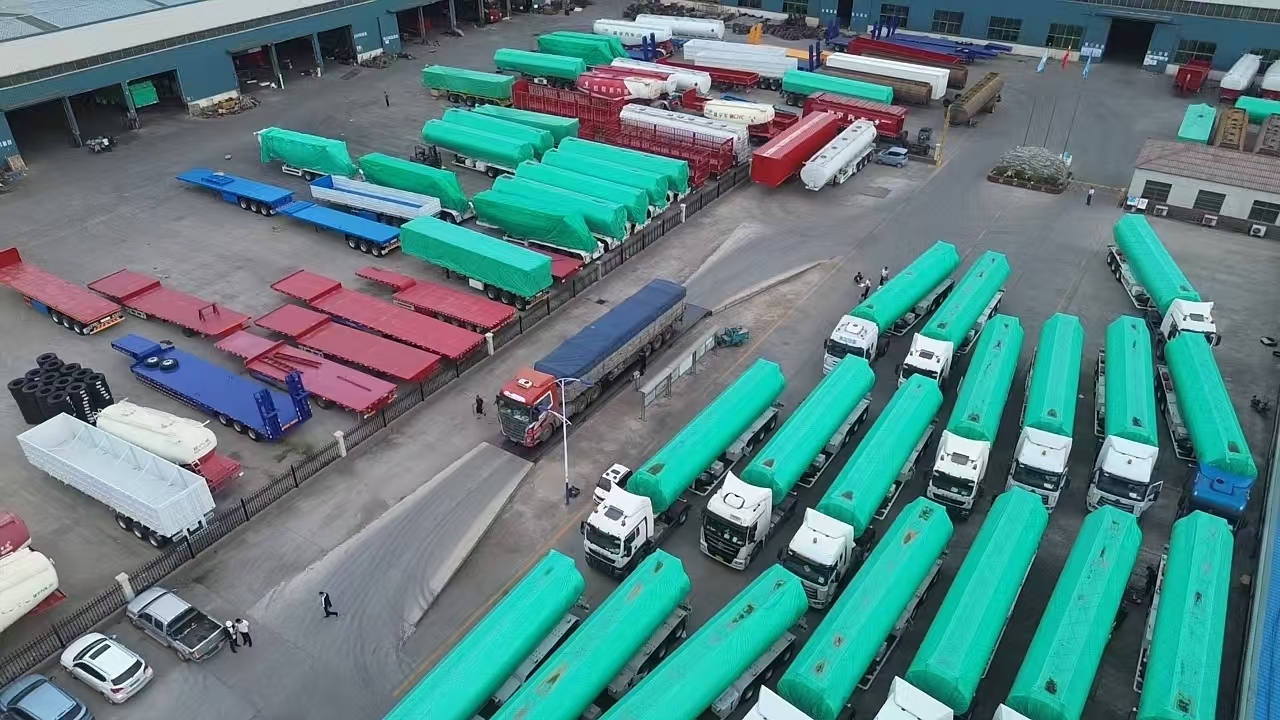
SHANDONG WONDERFUL AUTO COMPANY LIMITED. is a commercial vehicle manufacturer and exporter based in Qingdao, Shandong, China, producing heavy duty trucks and semi-trailers, with 100% of output exported and Africa as its main market. Its heavy duty truck range is configured around three specification decisions that map directly onto the mountain bulk haul problem.
1. Cab aerodynamics: Cd 0.53, 18% lower than mainstream models
The cab is the largest single contributor to aerodynamic drag on a laden bulk hauler at road speed. A cab with a drag coefficient of Cd 0.53 — 18% lower than mainstream models — reduces the power required to hold speed on approach sections, descents and any flat transfer legs between gradients. On a route where the vehicle spends a meaningful share of distance at speed, this is a fuel cost that is paid every trip and cannot be recovered by driver behaviour.
The aerodynamic specification does not replace safety requirements. The cab referenced in the Ghana operating case is ECE-R29 safety certified and supplied in a comfortable wide-body configuration.
2. Golden powertrain calibration: 2060 N·m at 1000 rpm
The Weichai WP12/WP13 engine delivers a peak torque of 2060 N·m at 1000 rpm. That torque curve is what makes a loaded climb manageable without holding high rpm: pulling power arrives at low engine speed, so the transmission does not have to drop a gear for every gradient change.
The wider description of this configuration is a matched engine–transmission–axle combination — engine, Fast gearbox and Hande axles calibrated together — rather than components selected independently. Buyers evaluating a diesel heavy duty truck for grade work should treat the torque-at-low-rpm figure and the final drive ratio as a single specification, because a favourable engine number can be cancelled out by an axle ratio that forces the engine out of its efficient band.
3. 8+7 mm double-layer torsion-resistant frame
Frame specification is usually discussed as a durability topic, but on mountain bulk haul it is also an operating-cost topic. An 8+7 mm double-layer torsion-resistant frame delivers 22% better anti-torsion performance than a conventional single-layer arrangement, which reduces the twisting load transferred to the cargo body, suspension and fasteners on uneven, heavy-load surfaces.
The measured outcome in service terms is 12% lower maintenance frequency. That figure matters to fleets because unplanned workshop time on a mountain route is not only a parts cost — it is a vehicle removed from a schedule that is already constrained by gradient speed limits.
What the combination delivers
Specified together — aerodynamic cab, calibrated powertrain and stiffened frame — the configuration delivers 8%–12% lower fuel consumption on mountain bulk haul routes, equivalent to 2.5–3.8 L/100km saved, alongside 12% lower maintenance frequency and 22% better anti-torsion performance. The two results are connected: a frame that resists twist keeps geometry and tyre contact consistent, which supports both fuel consistency and maintenance intervals.

Step-by-Step: How to Evaluate a Heavy Duty Truck for Mountain Bulk Haul
Evaluation is where a fleet converts a route profile into a specification. The following sequence keeps the decision tied to evidence rather than to brochure claims.
- Quantify the route before the vehicle. Record average and maximum gradient, the share of distance at road speed, typical payload, surface condition and annual distance per unit. Without these four inputs, any fuel claim is unverifiable.
- Match the torque curve to the gradient. Confirm peak torque and the engine speed at which it is delivered. A figure such as 2060 N·m at 1000 rpm tells you how the vehicle will behave when loaded on a climb; a peak torque quoted only at high rpm does not.
- Check the axle ratio and transmission steps together. Ask for the final drive ratio and the gearbox model as a pair. The ratio determines whether the engine stays in its efficient band at cruising speed or is forced to work higher in the rev range.
- Confirm the aerodynamic specification in writing. Request the drag coefficient for the exact cab variant quoted. A Cd of 0.53 should be stated as a cab-level figure, not inferred from a roof fairing.
- Verify frame and suspension construction. Confirm frame section and layer thickness (for example 8+7 mm double-layer) and the suspension type. On bulk haul duty, reinforced multi-leaf suspension and a torsion-resistant frame belong in the same conversation.
- Validate on a single unit before a fleet order. A minimum order quantity of one unit makes a route trial practical; confirm the test regime applied before delivery and the warranty terms that follow it.
Two supporting checks belong alongside the six steps. First, confirm spare parts availability in the destination region — the Ghana operating case cites ample spare parts supply in Africa and Southeast Asia as a factor in low maintenance cost. Second, confirm cab configuration options such as left-hand or right-hand drive and the kit set required for semi-trailer work.
Use Cases: Where This Configuration Fits, and Its Limits
The configuration described here is specified for three duty types: long-haul semi-trailer container transport, heavy-duty bulk cargo transport in mountainous areas, and cross-border freight transport. Within those categories, the fit varies by vehicle type.
- Long haul heavy duty truck and articulated heavy duty truck: the aerodynamic cab carries most of the benefit, because a larger share of distance is covered at road speed.
- Cargo heavy duty truck and dump heavy duty truck: the torsion-resistant frame and reinforced suspension carry most of the benefit, because surfaces and load cycles are harsher.
- Construction heavy duty truck: benefits from the frame specification and from parts availability, since site work interrupts schedules when a unit is stranded.
- Diesel heavy duty truck: the default assumption for remote graded routes without fixed charging infrastructure.
- Electric heavy duty truck: appropriate where routes are short, repeatable and served by known charging points; longer mountain corridors with uncertain charging remain a diesel application.
- Refrigerated heavy duty truck and tow heavy duty truck: the powertrain and frame specification still apply, but the fuel result should be assessed separately because auxiliary load or towed mass changes the duty cycle.
Limits. The 8%–12% fuel reduction and 12% maintenance reduction are route-dependent results, not guarantees for every operation. A fleet running short, flat, low-speed cycles should not expect the aerodynamic element to contribute at the same level. Buyers should also note that emission compliance is destination-specific: the CCC certification held for Mainland China does not substitute for the import requirements of another market.
Comparison: Configurations and the Problems They Solve
The table below compares three 6x4 heavy duty truck configurations that appear in the same procurement shortlist for bulk and construction work. All values are taken from published product specifications; where a value is not stated in the source, it is left blank rather than estimated.
| Specification | SHACMAN F3000 | SINOTRUK 6x4 Dump Truck ZZ3257N384GB1R | SHACMAN X3000 6x4 ISM11E5 440 |
|---|---|---|---|
| Vehicle type | Tractor truck | Dump truck | Dump truck |
| Drive configuration | 6x4 | 6x4 | 6x4 |
| Engine | WP10.340E22 | WD615.47 | Cummins ISM11E5 440 |
| Rated power | 340 hp | 371 hp | 324 kW / 440 hp |
| Emission standard | Euro II | — | EURO 5 |
| Transmission | 10JSD180 iron shell + QH 50 | HW19710 + HW50 direct-connection PTO | 12JSD200T-B + QH50 + FHB400 hydraulic retarder |
| Frame | — | Double-layer frame (8+8/300) | 850×300 (8+7) mm ultra-thick multi-plate beam |
| Suspension | — | Front and rear reinforced multi-leaf springs | Front and rear multi-leaf spring |
| Cargo body | — | 5600×2300×1500 mm, floor 8 mm, side 6 mm, Q355 manganese plate | 5600×2300×1400 mm, floor 8 mm, side 6 mm |
| Tyres | — | 12.00R20 mixed tread, 18PR | 12.00R20 mixed on-off road tread |
| Fuel tank | — | 400 L | 400 L aluminium alloy |
| Typical bulk haul role | Long-haul tractor work with semi-trailer | Heavy bulk and construction haulage | Heavy bulk haulage on graded routes |
The second table maps the mountain bulk haul problem to the specification that answers it, and to the verified outcome where one has been stated.
| Operating problem | Specification response | Verified result |
|---|---|---|
| Drag at road speed on approach and descent sections | Aerodynamic cab, Cd 0.53 | 18% lower than mainstream models |
| Repeated downshifts and high-rpm climbing | Weichai WP12/WP13, 2060 N·m peak torque at 1000 rpm, matched calibration | Contributes to the combined fuel result |
| Frame twist on uneven, heavy-load surfaces | 8+7 mm double-layer torsion-resistant frame | 22% better anti-torsion performance |
| Combined effect on running cost | All three specifications applied together | 8%–12% lower fuel consumption (2.5–3.8 L/100km); 12% lower maintenance frequency |
Evidence from Operation: What a Fleet Buyer Can Check
Specification data is the starting point; operating history is the cross-check. The configuration has been used by heavy-duty commercial vehicle OEM clients, and one documented project is located in Ghana, where 18 units were deployed for transportation duty over a 15-year duration of reliable, stable operation.
The documented highlights of that project give an evaluator a checklist rather than a claim: a mature Weichai–Fast–Hande powertrain with strong climbing performance for mountainous terrain; a reinforced chassis suited to harsh, high-temperature and rough road conditions; optimised fuel efficiency to reduce fleet operating costs; an ECE-R29 safety certified wide-body cab; ample spare parts supply in Africa and Southeast Asia supporting low maintenance cost; and left-hand or right-hand drive options with various optional kits for semi-trailer transport.
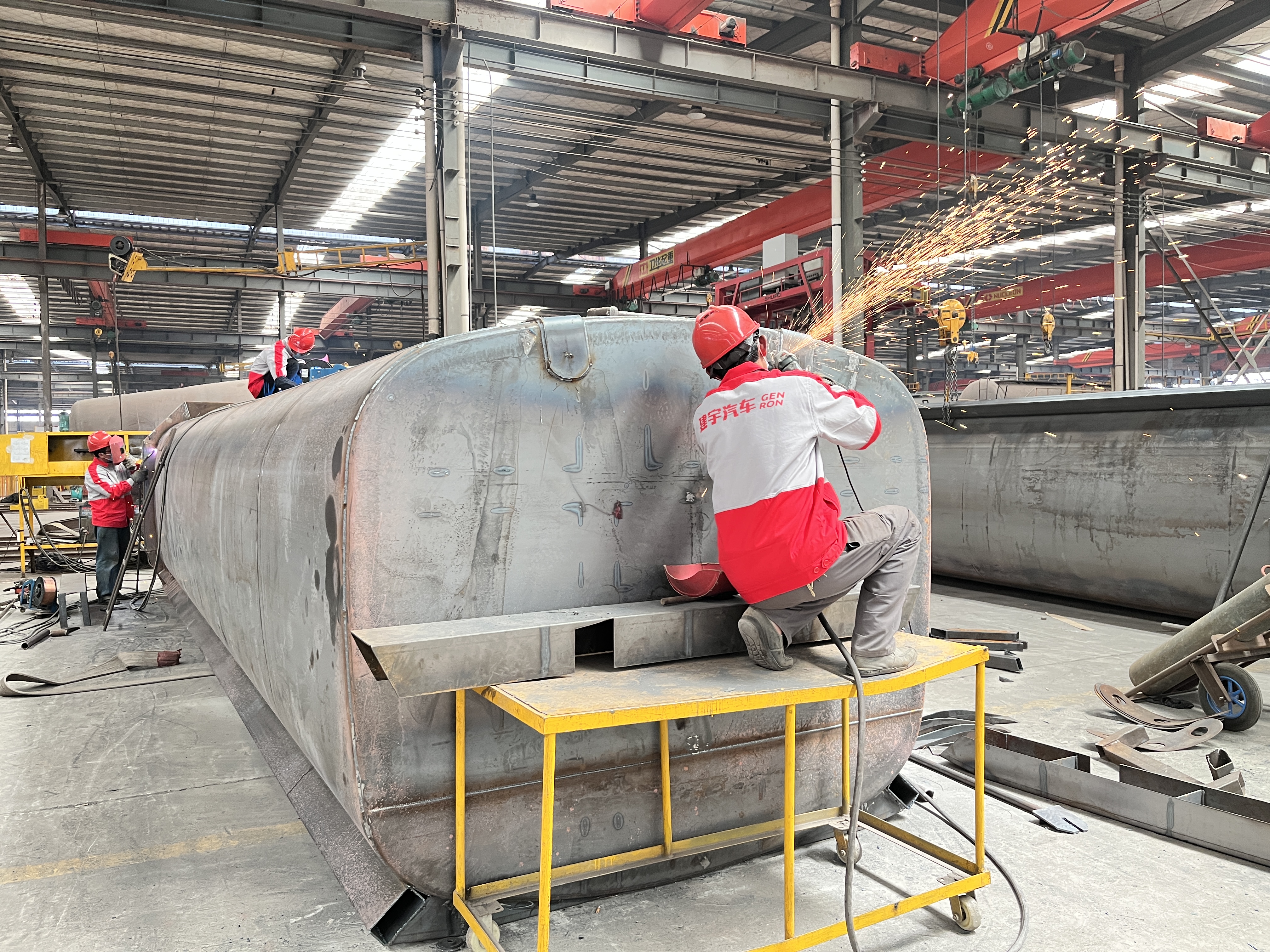
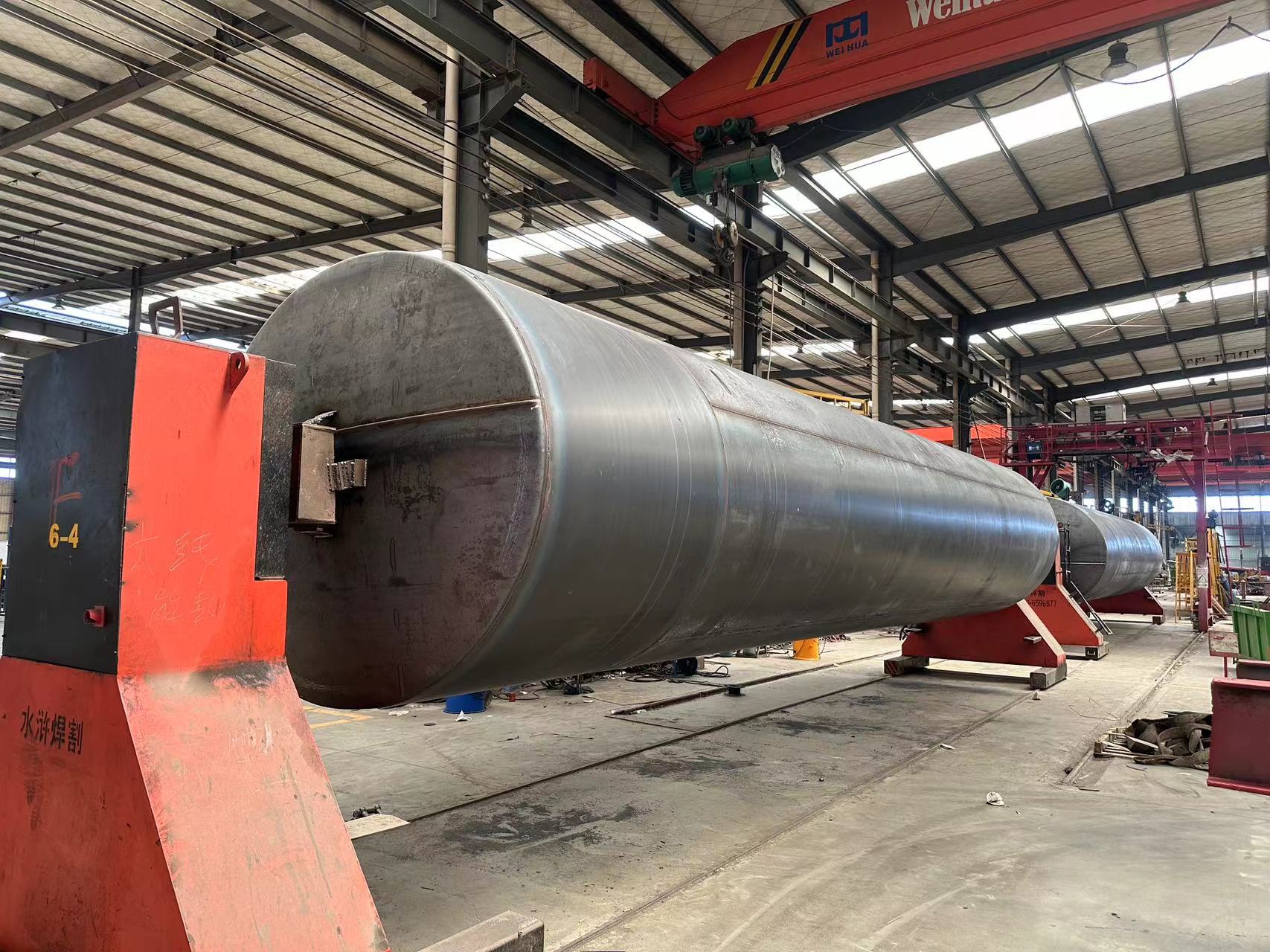
Behind the vehicle specification sits the manufacturing base: 500 employees, an annual output of 6,000 units, 20 R&D engineers, a monthly capacity of 500 units, and a 30–45 day lead time. Production runs under an OEM/ODM/CKD/SKD model with customisation of logo, colour, material and shape, a minimum order quantity of one unit, 100% testing, and a 1-year warranty.
Frequently Asked Questions
Does a low-drag cab change certification or compliance requirements?
No. Cab aerodynamics is a vehicle specification, not a compliance exemption. The same vehicle-level certification and import duties apply. The cab supplied in the referenced operating case is ECE-R29 safety certified, and SHANDONG WONDERFUL AUTO COMPANY LIMITED. holds China Compulsory Certificate (CCC) number 2020091101023320, issued by the China Automotive Certification Center Co., Ltd. on 10 December 2025 and valid until 9 December 2030, covering special vehicles under standard CNCA-C11-01:2020 for the Mainland China market. A buyer importing into another market must confirm that market's own requirements — for example, the US EPA Phase 3 greenhouse gas standards apply from model year 2027 for vehicles sold there and are not covered by a Chinese certificate.
Which of the three specifications actually produces the fuel saving — cab, powertrain or frame?
They act on different parts of the duty cycle and are specified together. The cab (Cd 0.53, 18% lower than mainstream models) reduces drag where the vehicle runs at road speed. The Weichai WP12/WP13 powertrain — 2060 N·m peak torque at 1000 rpm with matched transmission and axle calibration — reduces the rpm and shifting penalty on climbs. The 8+7 mm double-layer torsion-resistant frame contributes 22% better anti-torsion performance and supports the 12% lower maintenance frequency, which keeps geometry and tyre contact consistent. The combined result is 8%–12% lower fuel consumption, or 2.5–3.8 L/100km saved.
How should a fleet budget for the 2.5–3.8 L/100km saving?
Convert the saving into the fleet's own units: multiply 2.5–3.8 litres by annual distance per vehicle and by the local diesel price, then multiply by the number of units in the order. Do the same calculation for the 12% lower maintenance frequency, treating it as a reduction in workshop events rather than in parts prices. Because the combined result is a range rather than a fixed figure, budgets should be built on the lower end (8%, or 2.5 L/100km) and the upper end tested against the actual route profile during the trial period.
Can a buyer validate the specification on a sample before ordering a fleet?
Yes. The minimum order quantity is one unit, which makes a single-vehicle route trial practical before committing to a fleet order. Every unit is 100% tested before delivery, and a 1-year warranty applies. For validation, put the unit on the actual gradient profile with the intended payload and record fuel use and workshop events against the baseline figures taken before the order.
What is the lead time and how is a fleet order scheduled?
Lead time is 30–45 days, supported by a monthly capacity of 500 units and an annual output of 6,000 units. Orders can be placed as OEM, ODM, CKD or SKD, with customisation of logo, colour, material and shape, and left-hand or right-hand drive options with kits for semi-trailer transport. To start a specification review, send the route profile — gradient, payload, annual distance and surface condition — together with the target market, and request a configuration and quotation for the units you need.
Conclusion: Specify the Route, Not Just the Truck
Mountain bulk haul punishes vehicles that are specified from a catalogue rather than from a route profile. The cost does not appear as one large failure; it appears as extra litres on every climb, extra workshop visits every quarter, and frame stress that accumulates quietly under a full load. The specification answer is consistent: a low-drag cab (Cd 0.53, 18% lower than mainstream models) to cut the speed-related penalty, a calibrated Weichai WP12/WP13 powertrain delivering 2060 N·m at 1000 rpm to keep the engine working efficiently on grades, and an 8+7 mm double-layer torsion-resistant frame for 22% better anti-torsion performance and 12% lower maintenance frequency. Together these deliver 8%–12% lower fuel consumption, or 2.5–3.8 L/100km saved.
For buyers in the evaluation stage, the next step is not a purchase decision but a data decision: define the gradients, the payload, the surface and the annual distance, then test the specification against them on a single unit.
Request a Specification Review and Quotation
SHANDONG WONDERFUL AUTO COMPANY LIMITED. supplies heavy duty trucks and semi-trailers configured for long-haul semi-trailer container transport, heavy-duty bulk cargo transport in mountainous areas, and cross-border freight transport. MOQ is 1 unit, lead time is 30–45 days, and every unit is 100% tested with a 1-year warranty.
Send your route profile and target market to Coffey@wonderful-autos.com, call or WhatsApp +8615020072752, or download the product brochure. Company address: Room 1301, Building 1, No.8 Zhilidao Road, High-Tech Zone, Qingdao, Shandong.
Heavy Duty TruckMountain Bulk HaulFuel Efficiency
Have Questions or Need More Details?
Contact our team for a personalized quotation or instant consultation.
Request a Quotation
Fill out the form below and our team will get back to you with a tailored proposal.
WhatsApp Direct Chat
Prefer to chat in real-time? Message us on WhatsApp for instant assistance & quick answers.
- Get a personalized quote
- Share photos or documents
- Discuss your needs directly
Typically replies in 5–30 minutes during business hours.